9 Foods You Should Never Eat on an Empty Stomach
6. Raw Vegetables and Salads
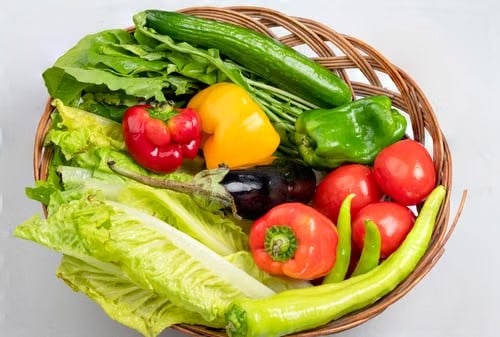
Nobody will argue that salads and raw vegetables are good for you. But when you eat them matters, especially if your digestion is sensitive. Raw vegetables contain a lot of tough fiber, and some, like cabbage, broccoli, cauliflower, and onions, contain natural sugars that your gut bacteria ferment, producing gas. On a full stomach, your body handles this more gradually. On an empty stomach, a large bowl of raw veggies can mean gas, bloating, and cramps, particularly for people with IBS or other sensitive-gut conditions.
Cooking changes things. Heat softens the plant’s tough cell walls, which makes vegetables easier to digest and gentler on the stomach. Lightly steamed or sautéed vegetables, a vegetable soup, or a warm vegetable upma or poha give you the nutrition without the heavy work.
Did you know? Cooking can actually make some nutrients easier to absorb. Cooked tomatoes release more lycopene, an antioxidant, than raw ones. And a little healthy fat, like olive oil or nuts in your salad dressing, helps your body absorb fat-soluble vitamins A, D, E, and K.
What to do instead: Save the big raw salad for lunch or dinner, when it comes with other foods. For breakfast, choose lightly cooked vegetables, such as a veggie omelette, sautéed spinach with eggs, or vegetable-stuffed paratha with curd. If you love salad, start small and see how your stomach responds before going big.
0 Comments